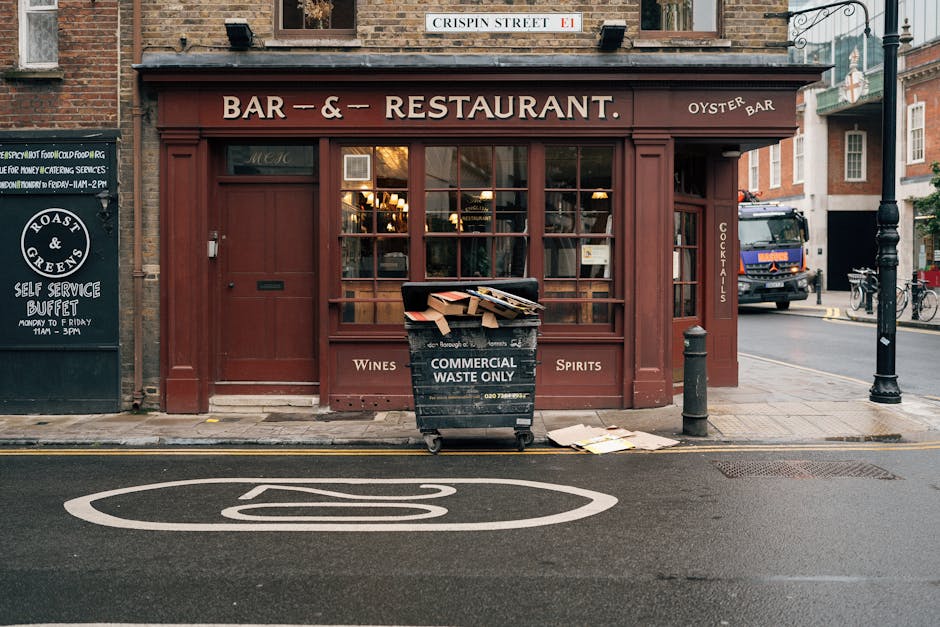
Chiswick High Road rubbish clearance guide for shops and flats
Posted on 20/06/2026
If you are dealing with overflowing stockroom waste, flat clearance clutter, or the awkward middle ground between the two, this Chiswick High Road rubbish clearance guide for shops and flats is for you. High streets and residential blocks create a very different kind of mess from a standard house clear-out. There are tighter access points, more foot traffic, shared entrances, neighbours to consider, and in many cases, stricter building rules. You can't just drag a few bags out and hope for the best.
In this guide, we will walk through what clearance normally involves, how the process works in real life, what to watch out for, and how to plan it so the job is done quickly without causing hassle for customers, tenants, or building managers. If you want a simple, practical way to clear rubbish from a shop unit or a flat on Chiswick High Road, you're in the right place.
Expert summary: the best rubbish clearance jobs on busy London roads are the ones planned around access, timing, safety, sorting, and disposal route. Simple in theory. Slightly more fiddly in practice.
Why Chiswick High Road rubbish clearance guide for shops and flats Matters
Chiswick High Road is busy, mixed-use, and not especially forgiving when rubbish is left sitting around. Shops need their entrances clear, flats need safe common areas, and everyone has to get on with daily life while the clearance happens. That means waste removal is not just a tidy-up task. It affects presentation, safety, neighbour relations, and sometimes trading hours too.
For shops, rubbish can build up fast after deliveries, refurbishments, seasonal changes, stock rotation, or a simple back-room clear-out. For flats, the pressure is different: furniture, old appliances, bags of household items, loft clutter, and end-of-tenancy waste can all pile up in a very small space. In a shared building, one poor clearance plan can inconvenience several households at once. Nobody wants a mattress stuck in a narrow stairwell at 8:30 on a weekday morning. That's the sort of thing people remember.
There is also a trust factor. Customers notice. Tenants notice. Building managers notice. A clean frontage says the property is looked after, and in a place like Chiswick that matters more than people sometimes admit. Truth be told, a well-organised clearance often saves time and money because fewer items get damaged, fewer staff are pulled away from their normal work, and less waste is left to become someone else's problem.
If your site involves mixed waste, bulky items, or business waste, it can help to understand the wider picture first. The site's services overview gives a useful sense of the full range of clearance options, while the commercial waste removal in Chiswick page is especially relevant for shops and other trading premises.
How Chiswick High Road rubbish clearance guide for shops and flats Works
The basic process is straightforward, but the details matter. A good clearance starts with understanding what needs removing, where the items are located, and how they will be carried out safely. On a busy road, the route from the room to the vehicle may be the hardest part of the job.
For a shop, clearance usually begins with a quick inventory of the waste stream: packaging, broken display items, old shelving, end-of-line stock, damaged furniture, and any electrical items. For flats, the list might include furniture, bags of clothing, books, white goods, and general household clutter. If you are clearing after a tenant move-out, probate event, or renovation, the mix may be even broader.
Then comes access. Can a van stop nearby? Is there lift access? Are there narrow stairwells, secure entry systems, timed loading restrictions, or concierge rules? These details shape the whole plan. A team that understands local access issues can work around them without turning the building into a bottleneck.
Sorting is the next step. Items suitable for reuse, recycling, or specialist disposal should be separated where possible. That may include furniture, electronics, appliances, and some metal or cardboard waste. The aim is to keep the job efficient while reducing avoidable landfill. The page on recycling and sustainability is a helpful reference if you want to think more carefully about what happens after collection.
Finally, the waste is removed, loaded, and taken away through an approved disposal route. Depending on the items, that might mean mixed waste handling, recycling transfer, or specialist appliance disposal. If a job involves heavier items or awkward lifts, safe handling becomes as important as speed. No one enjoys a narrow-corridor carry with a wobbly wardrobe. Let's face it.
Key Benefits and Practical Advantages
A well-run rubbish clearance on Chiswick High Road does more than empty a room. It removes friction from the day. That sounds small until you are the one trying to trade around a pile of flat-packed boxes or squeeze past a broken sofa in a communal hallway.
- Better presentation: A clean shopfront or common area looks more professional and more welcoming.
- Safer movement: Clear walkways reduce trip hazards for residents, staff, and visitors.
- Less disruption: Efficient scheduling keeps the building usable while the work happens.
- Faster handovers: Useful for end-of-tenancy, sale preparation, or pre-refurbishment clearances.
- More responsible disposal: Sorting items correctly gives recycling and reuse a better chance.
- Lower stress: A structured process is much easier than trying to improvise on the day.
There's also a practical commercial benefit. Shops that refresh stockrooms, remove obsolete displays, or clear old equipment often work more efficiently afterwards. Flats benefit too, especially when a cluttered room has been causing low-level frustration for months. You know the sort of thing: the "we'll deal with it later" pile that quietly grows teeth.
For anyone balancing domestic and business needs, it may help to compare nearby service types. Domestic waste collection in Chiswick is more suited to household clearances, while commercial waste removal in Chiswick tends to suit shops and trading premises that need repeat or one-off business clearances.
Who This Is For and When It Makes Sense
This guide is useful if you are any of the following:
- a shop owner on or near Chiswick High Road dealing with stockroom clutter or bulky waste
- a landlord preparing a flat for new tenants
- a tenant moving out of a flat and needing to leave the space clear
- a property manager organising clearance in a shared block
- an estate or letting agent preparing for photographs or viewings
- a homeowner or resident living in a flat with limited access and no easy storage area
It also makes sense when the waste is awkward rather than simply heavy. For example, a flat may have a single bulky wardrobe that is easy to describe but hard to move. A shop may have several bags of packaging waste that are individually light, but collectively irritating because they take up half a stockroom. Different problem. Same headache.
If the job is part of a bigger property change, you might also find the article on steps to manage inherited property helpful, especially where a flat is being cleared after a family change or probate-related decision. For people planning a move or investing locally, there is useful background in living in Chiswick: what you need to know and acquiring property in Chiswick.
Step-by-Step Guidance
If you want the process to feel less chaotic, work through it in order. That's the difference between a smooth collection and a day full of small, annoying delays.
- Walk the space first. Identify what needs to go, what can stay, and what may need special handling.
- Check access early. Measure stairways, note lift size, confirm loading points, and think about timing.
- Separate items where possible. Keep furniture, general waste, electronics, and reusable items distinct if you can.
- Remove obstacles. Clear hallways, open doors, and make sure the route out is safe and unobstructed.
- Protect shared areas. In flats, this may mean being careful with walls, floors, lifts, and door frames.
- Confirm disposal details. Ask how the waste will be handled and whether anything needs specialist attention.
- Schedule sensibly. For shops, quieter trading hours often work better. For flats, avoid peak morning or evening movement where possible.
- Do a final sweep. Check corners, under shelving, cupboards, and behind doors. Oddly enough, the last forgotten bag is often the one people remember most.
If you are dealing with large pieces of furniture or appliances, it is worth checking whether specialist removal is better than general rubbish collection. The pages on furniture removal and white goods and appliance disposal explain the kind of items that often need extra care.
For shop clearances after fit-outs or renovation work, you may also need builders' waste handling. The builders waste removal in Chiswick page is a sensible point of reference if your clearance includes rubble, offcuts, plasterboard, or packaging from a refit.
Expert Tips for Better Results
The best clearances are usually the ones that look boring from the outside. No drama. No wasted movement. Just a clean, sensible sequence.
- Book around building rhythms. Flats with lifts, concierge desks, or delivery windows need tighter timing than a standalone property.
- Label problem items in advance. If there are fragile, heavy, or unusual items, mark them before the team arrives.
- Keep valuables separate. This sounds obvious, but in real life small items get mixed into rubbish more often than people expect.
- Plan for parking or stopping space. Busy roadside access can affect the whole schedule.
- Use a waste route that fits the job. Reusable furniture, recyclable materials, and general rubbish should not all be treated the same way.
- Ask about insurance and safety. Especially in shared buildings, you want a team that understands stair carries, lift protection, and general site care.
If you are sorting through a flat after a long period of accumulation, a bit of emotional pacing helps too. Take photos of anything you may want to keep. Make decisions in batches. Put on the kettle. Then keep going. Small wins add up.
On the trust side, it is always sensible to look at operational standards too. The pages on waste carrier licence and compliance, insurance and safety, and about us are useful if you want to understand how a professional clearance service should be set up.

Common Mistakes to Avoid
Most clearance problems are predictable. That's the annoying part. They are also avoidable if you spot them early.
- Leaving access checks until the last minute. This is probably the biggest one.
- Assuming all waste can go in one pile. Some items need different handling, especially appliances and electronics.
- Forgetting about residents or trading hours. Noise, foot traffic, and blocked access can cause avoidable tension.
- Not measuring bulky items. A sofa that looks manageable may be a nightmare in a narrow stairwell.
- Ignoring building rules. Many flats have practical rules about lifts, loading, or common parts. Best to ask first.
- Mixing sentimental sorting with urgent clearance. This one sneaks up on people. Once emotions get involved, the pace slows right down.
Another common mistake is choosing a clearance plan that suits the item, not the location. A job can be technically small but logistically annoying. A single heavy appliance in a top-floor flat, for instance, can be more complicated than several bags of lightweight waste in a shop unit with easy rear access. Context matters. Always.
Tools, Resources and Recommendations
You do not need a warehouse of equipment to organise a good clearance, but a few basics make life easier.
| Tool or resource | Why it helps | Best for |
|---|---|---|
| Heavy-duty bags and boxes | Helps separate rubbish by type and keeps smaller items contained | Flat clearances and shop back rooms |
| Labels or tape | Makes it easier to mark keep, donate, recycle, and remove piles | Any clearance with mixed items |
| Measuring tape | Useful for checking door widths, stair turns, and lift size | Bulky furniture and appliance removals |
| Camera phone | Creates a visual record of what needs moving and helps with planning | Pre-clearance assessments |
| Building access notes | Reduces delays with fobs, loading zones, and concierge procedures | Flats and managed blocks |
For household decluttering and space planning, a few related reads may help you think more clearly before the clearance begins: creating order and decluttering your home and home organisation and decluttering strategies. They are not clearance manuals as such, but they are good for the decision-making part, which is half the battle.
If the waste includes electronics, it is worth pausing and separating them properly. The article on recycling electronics explains why those items deserve a different route from ordinary rubbish.
Law, Compliance, Standards, or Best Practice
For shops and flats, compliance is not just a box-ticking exercise. It protects you from avoidable problems later on. In the UK, waste should be handled by a properly authorised carrier and disposed of through legitimate routes. That is especially important for business waste, mixed waste, and items that may contain electrical components or other specialist materials.
Best practice usually includes:
- using a waste carrier that can demonstrate proper compliance
- keeping clear records if the waste is commercial
- separating recyclable and specialist items where practical
- taking care with access, manual handling, and shared spaces
- making sure the disposal route is suitable for the type of waste
For a shop, this matters because business waste may have different expectations from household waste. For flats, the main risks are access, safety, and the handling of shared parts of the building. The terms and conditions page is worth a look if you want to understand the practical boundaries around service delivery. Likewise, privacy policy and payment and security may be useful if you are comparing how a provider handles admin and payment processes.
It is fair to say that good compliance often looks dull from the outside. But that dullness is comforting. It means the clearance probably won't come back to haunt you later. Which is nice, really.
Options, Methods, or Comparison Table
Depending on the item mix and the access situation, there are usually a few ways to handle a clearance. Here is a simple comparison to help you think it through.
| Method | Best for | Advantages | Limitations |
|---|---|---|---|
| DIY clearance | Small, light, low-risk loads | Flexible and immediate | Time-consuming, physical effort, disposal planning is on you |
| Mixed professional clearance | Shops, flats, and general clutter with varied items | Efficient, less stressful, often best for awkward access | Needs clear instructions and some planning |
| Specialist item removal | Furniture, appliances, heavy or delicate items | Safer for awkward items, better handling | May need separate arrangements for certain goods |
| Phased clearance | Large flats or shops with many categories of waste | Reduces disruption and decision fatigue | Takes longer overall |
For many Chiswick High Road properties, the middle option is the sweet spot. It is flexible enough for mixed waste, but organised enough to avoid turning the building into a moving day scene. A bit of structure goes a long way.
Case Study or Real-World Example
Here's a realistic example. A small shop unit near Chiswick High Road is closing for a short refurbishment. The back room contains old shelving, packaging, damaged display items, and a few pieces of broken furniture. Upstairs, there is a flat above the shop with several bulky items left by a previous occupant, plus some household waste and an old fridge.
On paper, it sounds like one job. In practice, it is two different clearances with different access and disposal needs. The shop waste has to be removed quickly so trades can start. The flat clear-out needs more care because of the stairwell, the fridge, and the shared entrance. If the job is handled in one rushed pass, the team could block access, damage the hallway, or end up dragging items back and forth.
The better approach is simple:
- survey the items separately
- plan the route for each space
- identify bulky or specialist items in advance
- schedule the work at a time that avoids peak use of the building
- sort reusable or recyclable materials before loading
The result is not flashy. But it works. The shop gets a clean start to the refurbishment, the flat is left clear for the next stage, and the building does not spend the day dealing with avoidable chaos. That is the sort of outcome people usually want, even if they don't say it out loud.
Practical Checklist
Use this quick checklist before the clearance day arrives.
- Identify every item that needs removing
- Separate anything you want to keep
- Note furniture, appliances, electronics, and heavy items
- Check stairs, lift size, entrance widths, and parking or loading access
- Confirm building rules or timing restrictions
- Clear hallways and access points
- Protect floors, walls, and corners if needed
- Ask how recyclable and specialist items will be handled
- Make sure there is a clear point of contact on the day
- Do a final sweep of cupboards, under counters, and behind doors
If you are choosing between service types, a broader resource like the services overview can help you match the job to the right kind of collection. For larger domestic clearances, house clearance in Chiswick may also be relevant, especially where a flat contains a full household's worth of items.
Get a free quote today and see how much you can save.
Conclusion
A good Chiswick High Road rubbish clearance is really about control: over access, timing, sorting, safety, and disposal. Shops need to stay functional. Flats need to stay civilised. And in a busy part of west London, the best clearance is the one that quietly gets on with the job and leaves the place better than it found it.
Whether you are clearing a stockroom, a rental flat, or a mixed-use property with awkward access, the safest route is to plan early, separate items sensibly, and choose a service approach that suits the building rather than forcing the building to suit the rubbish. Simple enough. Not always easy, but doable.
And once the clutter is gone, the difference is immediate: more room, less noise, fewer decisions hanging over you. A lighter space really does make the day feel lighter too.