







10/10/2026
Rubbish removal should feel straightforward. You book a collection, agree a price, and the waste...
Rubbish Clearance Chiswick provides rubbish clearance in Chiswick for homes, businesses and trade customers who need unwanted items, mixed waste or bulky loads collected and removed in an orderly way. Our service is built around practical clearance work: lifting, loading, segregation where appropriate, and disposal through the right route for the material. If you need a straightforward clearance arranged with clear expectations, we can help you make the next step.
We handle a wide range of clearance tasks, from single-item removal through to fuller clear-outs, with options that suit different spaces and different kinds of waste. That can include domestic clutter, furniture, appliances, garden materials, builders' waste and commercial rubbish. Tell us what needs removing, how much there is and where it is located, and we can guide you towards the most suitable service. If you are ready to compare options, start with our pricing and quotes page.
Good clearance work is not just about taking things away. It also depends on access, handling, sorting and making sure the waste stream is managed sensibly once it leaves the property. Some jobs are simple because everything is already gathered together; others need more care if items are heavy, awkward or mixed with materials that should not be treated the same way. We aim to keep the process clear and practical, so customers can choose a service that matches the work involved rather than paying for unnecessary extras.
Households often need rubbish clearance when rooms start to fill with things that are no longer wanted or usable. Our domestic work covers everyday clearance tasks such as bagged waste, old household items, clutter from storage areas and mixed items from a general tidy-up. For larger moves or inherited properties, a fuller collection can help reduce the amount left behind and make the property easier to manage in stages.
For clearances involving furniture, sofas, wardrobes or other larger items, careful removal matters as much as the final disposal. Heavy pieces may need to be moved through tight hallways, around corners or down stairs, so the work should be planned with access in mind. You can read more about our furniture removal service if the main issue is bulky household items rather than general rubbish.
A domestic clearance can involve several categories of waste in one visit, especially where rooms have been used for storage over time. In those cases, it helps to separate items that are reusable, recyclable or simply ready for disposal. If you are dealing with a larger property clear-out, our house clearance page explains a fuller clearance approach for homes that need a more complete emptying rather than a small one-off collection.
Garden rubbish removal is useful when outdoor spaces have accumulated branches, cuttings, soil, old plant material or broken garden items that are too much for normal household bins. This type of work is often seasonal, but it can also follow landscaping, pruning or a general reset of the space. We can remove the material and help reduce the pile-up of organic and non-organic waste that may have built up over time.
Some outdoor clearances also include items such as damaged planters, broken fencing components, bagged green waste or assorted bits left over after maintenance. Where the work involves a larger volume of cuttings and light garden debris, our garden waste removal service is the most relevant fit. It is particularly useful when the waste is loose, awkward to handle or spread across more than one part of the garden.
Businesses also need dependable clearance when stock, packaging, fixtures or general waste begins to take up valuable space. Commercial rubbish removal is different from a domestic tidy-up because the items may be tied to trading activity, refurbishment or routine operational waste. A good clearance plan needs to balance speed, access and the type of waste being handled, especially where the property must stay usable while the collection takes place.
For workplaces, shops and premises with ongoing waste needs, it may be more suitable to arrange a focused collection around the type of material involved. Our commercial waste removal page is relevant where the waste comes from day-to-day business activity and needs to be removed with minimum disruption. If the job is tied to repairs or alterations, builders' waste may be the better route instead.
Construction and refurbishment work often leaves behind rubble, timber, plaster, packaging and mixed debris that cannot be left on site indefinitely. That material usually needs a different approach from general rubbish because it can be heavier, messier and more varied in composition. For that kind of task, our builders' waste removal service is designed for renovation leftovers, strip-out waste and similar trade material.
Not every clearance is about bags and general waste. Some jobs are driven by a single bulky item that is difficult to move safely or dispose of properly, such as a fridge, freezer, washing machine or similar appliance. These items can be awkward because of their weight, size and handling needs, and they may need to be separated from other household or business waste before removal.
Where the main concern is a heavy appliance rather than mixed rubbish, our white goods and appliance disposal page is the best place to start. It is also useful when several appliances need to go together as part of a kitchen change, moving day or property refresh. It is worth checking access before arranging collection, especially if the item must pass through narrow doorways or down steps.
Bulky item removal is often most efficient when the item is already disconnected, emptied and ready to move. If a property also needs smaller items cleared at the same time, it can be sensible to group them into one visit so the work is handled in a single, organised collection. The key is to match the service to the main type of load rather than treating every object as the same sort of waste.
Clearance costs usually depend on the amount of waste, the type of material, how easy it is to access and whether the job involves delicate lifting or sorting. A small collection from a driveway or open front area is very different from a clearance that involves stairs, distance carrying or awkward parking. For that reason, accurate job details are important when comparing options and preparing a fair quotation.
Two details are especially helpful: what the waste is, and where it sits in the property. If you can describe the items clearly, it becomes easier to judge whether the work is a straightforward load-and-go collection or something that needs a little more planning. Our pricing and quotes information is a useful starting point when you want to understand how a quote may be prepared. A brief list of items can also help, particularly when a room contains a mixture of furniture, bags and loose waste.
There is usually no need to sort everything perfectly before asking for a quotation. A sensible level of organisation is enough: make the load visible, note anything unusually heavy or fragile, and mention whether access involves stairs, narrow spaces or a long carry. That allows the job to be planned properly and avoids surprises on the day. If you have photographs or an item list, they can make the enquiry clearer, but they are not the only way to explain the work.
Many customers want more than removal alone; they want waste handled in a way that makes sense for the material. Rubbish clearance can involve several different waste streams, and some items are more suitable for recycling or separate handling than others. The aim is to move items away from the property and into the right next step, rather than treating every load as if it were identical.
Our approach to waste handling is explained further on the recycling and sustainability page, which covers the general idea behind sorting and disposal choices. That matters for mixed loads containing cardboard, metal, wood, plastics or reusable items, because different materials can require different outcomes. It also helps customers understand why the type of waste can influence the way a quotation is prepared.
Responsible disposal is especially relevant where a clearance contains both bulky items and smaller debris. The better the separation at the point of collection, the easier it is to direct materials appropriately. Careful handling supports cleaner results, not only for the property but also for the overall waste process once collection is complete.
Clearance work should be carried out with proper attention to safety, legality and handling practice. Waste carriers and clearance businesses need to deal with material in the right way, especially when jobs include mixed loads, commercial waste or items that may need special consideration. Customers are entitled to ask how the service is managed and what the basic standards are for collection and disposal.
We provide more detail on our waste carrier licence and compliance information page, along with insurance and safety details. Those topics matter because they help customers understand how a clearance should be approached responsibly. They also show why it is wise to choose a service that treats handling and disposal as part of the job, not an afterthought.
Safe clearance work usually means controlling lifting, protecting access routes where needed and moving waste without causing avoidable damage. It also means understanding when an item is too heavy or awkward for casual handling and should be removed with the right approach. A careful collection is faster in the long run because it reduces avoidable problems during loading and transport.
Different jobs call for different levels of service. Some customers need a single bulky item taken away; others need a room, shed, office area or whole property cleared in a more structured way. The main point is to identify the type of waste first, because that determines whether the job is best treated as domestic rubbish, furniture removal, garden waste, builders' waste or a commercial load.
If you are unsure which page matches your job, our services overview brings the main options together in one place. That makes it easier to compare the service groups before requesting a quote. You can then decide whether the job needs a targeted collection or a broader clearance that brings several waste types together in one visit.
Send us the basics and we can help narrow it down: what needs removing, roughly how much there is, and whether access is straightforward or more limited. If the job involves several different items, mention the most awkward ones first. That makes the enquiry more useful and gives a better foundation for a quotation request.
Chiswick is a district in West London within the London Borough of Hounslow, set on a broad bend of the River Thames. Its history is visible in the mix of older riverside streets, Georgian and Victorian houses, and later residential development around the High Road and the surrounding neighbourhoods. The area has long been associated with river traffic, market gardening, brewing and later suburban growth, and traces of those layers remain in the street pattern and building stock. Chiswick House and Gardens, an 18th-century villa and landscaped estate, is one of the area’s best-known landmarks and reflects the district’s architectural heritage. The riverside at Strand-on-the-Green offers another distinctive character, with a narrower urban grain, historic houses and views along the Thames. Gunnersbury Park, shared with neighbouring Brentford, provides a large green space with parkland, museum buildings and sports facilities, while Turnham Green forms a recognised open and civic focus within the district. Chiswick also has strong transport links and a busy commercial spine along the High Road, but it retains pockets of quieter residential streets, garden squares and terrace housing that give the area a varied urban feel. The result is a place where river frontage, historic architecture, parks and retail corridors sit close together, making Chiswick distinct within west London.
If you need rubbish clearance in Chiswick, the simplest next step is to outline the items, the access and the kind of service you think you need. That gives a practical basis for a quotation and helps avoid unnecessary back-and-forth. Whether the work is domestic, commercial, garden-related or tied to a refurbishment, a clear description of the load makes it easier to suggest the right approach.
For a more detailed view of the business, you can also visit our about us page or check the relevant service page before you enquire. If you are ready to move forward, please contact us to request a quotation and discuss the collection you need. We are here to help you turn an unwanted pile of waste into a clear, manageable job.
Ask for your quote today and choose the clearance option that fits your property, your waste and your timetable.
Rubbish clearance in Chiswick for homes, gardens, businesses and trade waste, with clear pricing information and simple quote requests.
Rubbish removal should feel straightforward. You book a collection, agree a price, and the waste...
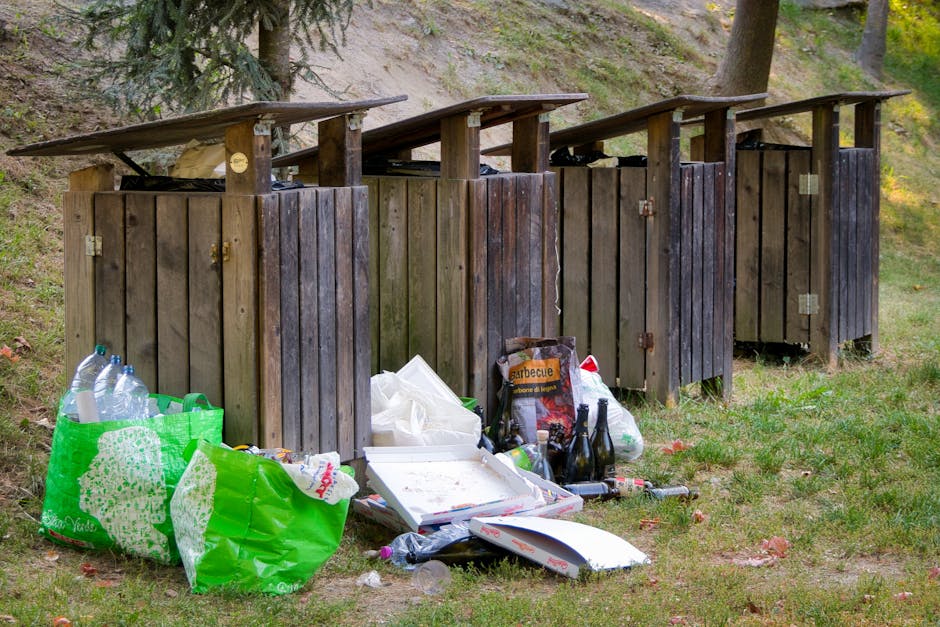
If you are trying to clear a bulky sofa, a broken wardrobe, an old mattress, or a pile of awkward...

Moving home is stressful enough without staring at a growing pile of unwanted furniture, broken...

If your garden in Strand on the Green is starting to look more like a storage yard than a place...
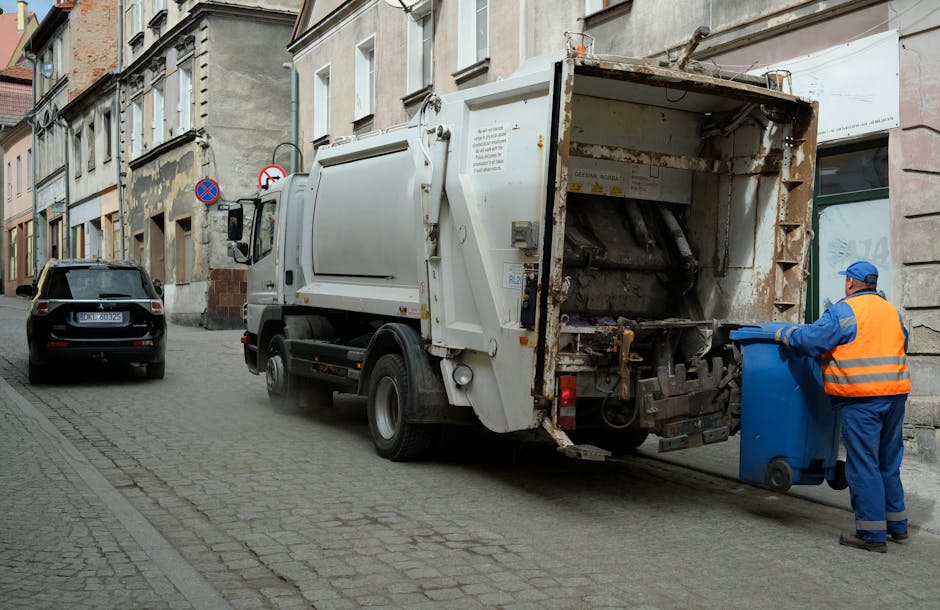
When rubbish suddenly becomes a problem, waiting until next week is not always an option.
If you are dealing with overflowing stockroom waste, flat clearance clutter, or the awkward...

London, the bustling capital of England, is known for its iconic landmarks and vibrant city life....

Chiswick, a charming suburb located in West London, has become an increasingly popular area for...

```html London's Path to Waste Elimination London, one of the world's most vibrant and populous...

Chiswick, located in the London Borough of Hounslow, has become one of the most sought-after...

```html Steps to Manage Inherited Property Inheriting a property can be both a blessing and a...

Recycling electronics has become an essential part of sustainable living in the 21st century.

 (85)
(85)
Please fill out the form below to send us an email and we will get back to you as soon as possible.