Gunnersbury Park recycle bulky items with rubbish clearance
Posted on 26/08/2026
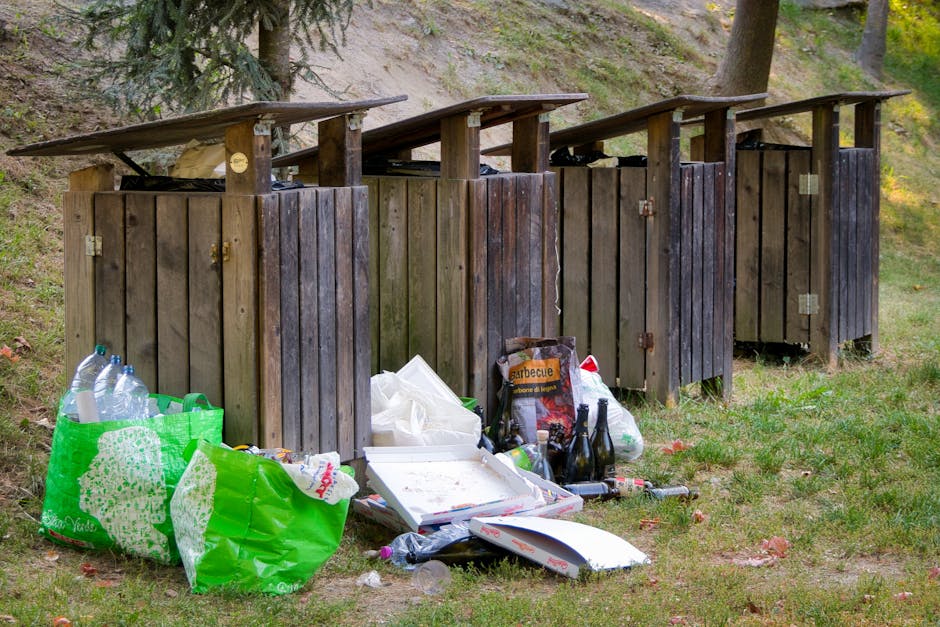
Gunnersbury Park recycle bulky items with rubbish clearance: a practical local guide
If you are trying to clear a bulky sofa, a broken wardrobe, an old mattress, or a pile of awkward household bits near Gunnersbury Park, you are probably after one thing: a simple, reliable way to get it gone without creating more hassle. That is exactly where Gunnersbury Park recycle bulky items with rubbish clearance becomes useful. Done well, it saves time, keeps usable materials out of landfill where possible, and helps you avoid the mess and stress of trying to shift heavy waste yourself.
This guide explains how the process works, what can usually be recycled, when rubbish clearance makes sense, and how to choose a service that handles the job properly. I will keep it practical and plain-English. No fluff. Just the stuff you actually need when a bulky item is blocking the hall and you want your space back by the end of the day.
Why Gunnersbury Park recycle bulky items with rubbish clearance Matters
Bulky waste is different from everyday bin rubbish. It takes up space, is harder to move, and often includes mixed materials such as wood, metal, fabric, foam, plastic, and electrical components. That mix is exactly why a thoughtful clearance approach matters. If you separate and route items properly, more of the load can be reused, recycled, or recovered rather than treated as ordinary waste.
In a busy local area, the value is immediate. A couple of old cabinets can turn a tidy flat into an obstacle course. A broken freezer can sit in a garage for weeks because nobody wants to deal with it. Then there is the awkward question of where the item should go and whether it can be recycled at all. Rubbish clearance takes that decision-making burden away, but a good service also considers sorting and recovery, not just removal.
That matters for households, landlords, letting agents, small businesses, and anyone doing a declutter after a move, renovation, or bereavement. It also matters from an environmental point of view. If one company simply piles everything into a van and offloads it with no sorting, the opportunity for recycling is lost. If items are assessed properly, then what can be separated often is separated.
Expert summary: the best bulky-item clearance is not just about speed. It is about moving heavy waste safely, sorting recyclable material sensibly, and leaving you with a clear space and a clear conscience. That is the sweet spot.
You will also notice that bulky items tend to create a chain reaction. One old mattress becomes a cluttered bedroom. One broken table makes a spare room unusable. Before long, the room is doing that slightly depressing thing where it starts feeling smaller than it really is. Sorting it out early is usually easier than leaving it for "next weekend", which, let's face it, has a habit of vanishing.
How Gunnersbury Park recycle bulky items with rubbish clearance Works
The process is usually straightforward, but there is more to it than simply lifting items into a vehicle. A decent bulky waste clearance service will first assess what you have, identify anything that can be reused or recycled, and plan the removal so it is safe and efficient.
Typically, it works like this:
- Initial review - You describe the items, share photos if needed, and explain access conditions such as stairs, narrow hallways, or limited parking.
- Estimate or quote - The price is usually based on volume, item type, labour involved, access difficulty, and disposal route.
- Collection planning - The team checks whether items need dismantling, whether there are electricals or heavy loads, and how to protect walls, floors, and door frames.
- Removal and sorting - Items are taken away carefully. Reusable pieces may be separated from true waste, and recyclable material is routed accordingly.
- Responsible disposal - Waste is then taken to the correct facility or transfer point, rather than dumped irresponsibly.
The practical part is often the most underestimated. For example, a wardrobe may look simple until you try to get it down a narrow stairwell. Or a sofa might fit through the door only if it is turned a very particular way. This is why experienced teams ask the right questions before turning up. It saves time and avoids that mildly chaotic moment where everyone is trying to pivot a bulky item in a hallway like a bad stage play.
If your items include old furniture, you may also want to look at furniture removal support when the load is mostly sofas, beds, tables, or cabinets. For mixed domestic items, domestic waste collection in Chiswick is often the better fit. If you are dealing with a broader property clear-out, house clearance in Chiswick can be a smarter option because it handles larger volumes and varied item types.
Key Benefits and Practical Advantages
There are a few obvious benefits, and a few that only become clear once the job is done.
- Time saved: You avoid multiple trips, lifting, sorting, and disposal runs.
- Less physical strain: Heavy or awkward items are handled for you, which is especially helpful with stairs, tight corners, or injury risk.
- Cleaner recycling route: Items with recoverable materials can be separated more responsibly.
- Better use of space: You get rooms, sheds, or storage areas back quickly.
- Reduced stress: There is no need to figure out transport, disposal rules, or who will help carry the heavy stuff.
- More suitable for mixed loads: Many bulky clearances include a combination of furniture, white goods, bagged waste, and odd extras. A clearance service can deal with the lot in one visit.
There is also a practical advantage that often gets overlooked: momentum. Once one big item goes, you often see the room differently. The clutter suddenly looks manageable. That sense of progress is real, and it helps people finish the rest of the declutter instead of giving up halfway through.
For households replacing appliances, white goods and appliance disposal is especially useful because fridges, freezers, washing machines, and cookers need more careful handling than ordinary rubbish. If your clearance job involves renovation debris as well as bulky household items, builders waste removal can help keep the waste streams separated in a more sensible way.
Who This Is For and When It Makes Sense
This kind of service suits more people than you might think. It is not just for full house clearances or major refurbishments. In real life, bulky items tend to appear in everyday situations.
- Homeowners clearing out spare rooms, lofts, garages, or garden storage
- Renters moving out and trying to leave the property tidy
- Landlords dealing with abandoned furniture or items left behind after a tenancy
- Letting agents needing quick turnaround between occupiers
- Local shops and offices replacing shelving, desks, or broken fixtures
- Families managing inherited property where several rooms need sorting at once
- People renovating and removing old units, furniture, or appliances
It also makes sense when you do not want to wait around for a council collection slot, or when the item is too awkward to move yourself. If you are on a tight schedule, a same-day or next-day clearance can be a real relief. There is something very satisfying about seeing a room go from cramped to usable in a single afternoon.
For people handling inherited or long-empty homes, it is often helpful to combine bulky-item removal with a more complete clearance plan. A gentle first step can be reading about steps to manage inherited property. If you are organising a larger declutter, the advice in creating order and decluttering your home is also relevant, especially when deciding what should be kept, recycled, donated, or removed.
Step-by-Step Guidance
If you want a smoother clearance, treat it like a small project rather than a last-minute panic. It does not need to be complicated, just organised.
- List the bulky items first. Write down what needs to go: sofa, bed frame, wardrobe, mattress, appliance, exercise bike, office chair, or garden bench. Be specific.
- Check what is recyclable or reusable. Some items can be broken down into recyclable material, while others may need specialist handling. Mixed material furniture often falls somewhere in between.
- Clear access paths. Remove smaller obstacles from hallways, porches, and stair landings. It makes the team faster and reduces the risk of scuffs or knocks.
- Measure awkward pieces. If an item might need dismantling, note the dimensions and any fixed parts. This is particularly helpful for wardrobes and beds.
- Separate sensitive items. Keep paperwork, personal documents, and valuables out of the clearance area. A tidy clear-out is much easier when the important stuff is already safe.
- Ask about the disposal route. A trustworthy provider should be able to explain how waste is handled, especially if you want recycling where possible.
- Confirm timing and access details. Parking, lift access, and the number of floors all affect how smoothly the job goes.
- Review the final handover. Once the bulky waste is removed, quickly check the area for any missed small items or loose fixings.
A quick real-world example: a couple in a W4 flat decide to replace a mattress, a bed base, and an old wardrobe. They start by pulling everything away from the wall, only to realise the wardrobe needs dismantling before it can leave the bedroom. Because they mentioned access details in advance, the clearance team arrives prepared with the right tools. Job done, no drama. That bit of forethought matters more than people expect.
Expert Tips for Better Results
Here is where experience really pays off. Small decisions before collection day can make the whole process smoother and more cost-effective.
- Group items by type. Keep furniture together, electricals together, and loose bagged waste separate if you can. It helps the team sort faster.
- Be honest about access. If there are three flights of stairs, a tight basement corridor, or no parking outside, say so upfront. Nobody benefits from surprises.
- Take a few quick photos. A simple photo of the items and the room often helps with accurate quoting.
- Think in terms of total space used. A bulky item may not be heavy, but it can still take up a surprising amount of van space.
- Ask whether disassembly is included. Sometimes it is, sometimes it is not. Better to know before the van arrives.
- Plan the clear-out around your day. If you want to clean, repaint, or rearrange the room afterwards, leave yourself a little buffer. Ideally, you should not be moving furniture while the hall is still full of dust sheets and tea cups.
If your clear-out is part of a wider sustainability goal, the article on recycling and sustainability is a useful companion read. It helps frame clearance choices in a more practical way, especially when you are deciding what to keep in circulation and what needs to be disposed of.
One more tip, and it sounds simple, but it helps a lot: do not mix sentimental decision-making with the actual collection. Decide before the team arrives what is definitely going and what is definitely staying. Otherwise the process slows right down, and everyone ends up standing around a half-open drawer wondering about a lamp from 2009.
Common Mistakes to Avoid
Most bulky-item clearance problems are avoidable. They usually come from rushed planning or unclear expectations.
- Not checking what can and cannot be taken. Some items may need special treatment, particularly electricals or heavily contaminated waste.
- Assuming everything will be recycled. Reuse and recycling are goals, but not every item can be recovered in full. Mixed materials can be difficult to separate.
- Underestimating access issues. Stairs, lifts, tight turns, and parking restrictions can turn a simple job into a slow one if nobody mentions them early.
- Leaving sorting until collection day. That is when decisions become stressful.
- Choosing only by price. The cheapest option is not always the safest or most compliant. Ask how the waste is handled.
- Forgetting safety. Heavy items can damage floors or injure backs if they are dragged or lifted badly.
Another mistake is treating every clearance the same. A single sofa is not the same as a full flat clearance, and a garden shed full of mixed waste is not the same as an old office furniture run. The better you match the method to the job, the better the outcome. Simple, but true.
Tools, Resources and Recommendations
You do not need a huge toolkit, but a few basic things can make preparation easier.
- Measuring tape: Useful for checking whether items will fit through doors or need dismantling.
- Marker pens or labels: Handy for marking items as keep, recycle, or remove.
- Dust sheets and gloves: Practical if items are dusty, scratched, or stored in lofts and sheds.
- Phone camera: Great for sending photos in advance and recording what is being removed.
- Simple inventory list: Especially useful if multiple rooms or departments are involved.
For a broader overview of available waste services, the services overview can help you understand which type of clearance is best for different situations. If the job is commercial rather than domestic, commercial waste removal is the more relevant route. And for businesses on busy streets or in shared buildings, the practical advice in the High Road rubbish clearance guide for shops and flats is worth a look because access and timing are often the make-or-break factors.
If you are trying to organise a faster turnaround, the article on same-day rubbish removal for urgent jobs is helpful for understanding what tends to work best when the schedule is tight.
Law, Compliance, Standards and Best Practice
With bulky waste, compliance is not a side issue. It is part of the service quality. In the UK, waste must be handled by a responsible carrier and taken to an appropriate facility. You do not need to become a legal expert, but you do want to know that the company collecting your items is operating properly.
Good practice usually includes the following:
- working with a licensed waste carrier
- sorting waste responsibly where possible
- providing clear pricing and terms
- maintaining safe lifting and loading procedures
- protecting the property during removal
- avoiding fly-tipping and unlawful dumping
It is sensible to ask about insurance, safety, and compliance before you book. For more detail, waste carrier licence and compliance explains why this matters, while insurance and safety is useful if you want reassurance about property protection and safe handling. You may also want to review terms and conditions and pricing and quotes so you know what is included before anyone starts lifting.
There is a broader responsibility angle too. Reputable operators should be clear about ethical business conduct and responsible disposal. If that matters to you, the company's modern slavery statement and about us pages help you judge the organisation behind the service, not just the vehicle in the driveway.
Privacy and payments matter as well, even in a rubbish clearance context. If you are sending photos, access notes, or payment details, it is reasonable to check privacy policy and payment and security. Nothing dramatic. Just sensible due diligence.
Options, Methods and Comparison Table
There is more than one way to deal with bulky waste. The right choice depends on volume, urgency, physical effort, and how much sorting you want to do yourself.
| Method | Best for | Pros | Limitations |
|---|---|---|---|
| Self-transport to disposal site | Very small loads and people with suitable transport | Can be low-cost if you already have a vehicle | Time-consuming, heavy lifting, access restrictions, and you still need to know disposal rules |
| Council bulky collection | Planned, non-urgent items | Convenient for some households | May involve waiting, item limits, or less flexibility on timing |
| Private rubbish clearance | Mixed bulky loads, urgent jobs, awkward access, or larger volumes | Fast, flexible, labour included, better for staircases and heavy items | Cost depends on load size and access, so quotes need to be clear |
| Specialist item recycling | Electricals, appliances, or items with separate handling requirements | Useful where material recovery matters | May not cover all household or furniture waste in one go |
In practice, many people end up combining methods. For example, they might keep a few items for donation, book clearance for the bulky remainder, and then handle small waste separately. That is often the most balanced approach, especially when the goal is to recycle what can genuinely be recycled rather than forcing everything into one route.
Case Study or Real-World Example
A local resident in the Gunnersbury area recently wanted to clear a spare bedroom before a new tenant moved in. The room held a broken bed frame, a heavy mattress, two old bedside tables, and a shelf unit that had seen better days. There was also a small pile of mixed household items in the corner, the sort that always seem to appear during a move. Nothing unusual, but enough to be awkward.
Instead of trying to do it all in stages, they listed every item, took a few quick photos, and checked the access details in advance. The job was booked as a single clearance, with the bed frame dismantled on site and the furniture separated for appropriate sorting. The result was simple: the room was cleared in one visit, the tenant move-in could go ahead, and the resident did not spend the weekend wrestling with a mattress in the rain. A small victory, but a satisfying one.
That is the real appeal of this kind of service. It turns a messy, physically demanding job into a manageable process. Not glamorous, sure, but very effective.
Practical Checklist
Use this checklist before collection day:
- Identify every bulky item that needs to go
- Separate items you want to keep, donate, recycle, or remove
- Measure large pieces and note access constraints
- Take photos for a clearer quote
- Clear the path from rooms to exit points
- Remove fragile items from nearby shelves or surfaces
- Ask whether dismantling is needed or included
- Confirm the collection time and parking arrangements
- Check that the provider uses compliant waste handling practices
- Review pricing, payment terms, and any access-related fees
If you get those basics right, the day usually runs more smoothly than expected. And that is one less thing on your plate.
Conclusion
Gunnersbury Park recycle bulky items with rubbish clearance is really about making a heavy, inconvenient job easier while keeping disposal as responsible as possible. Whether you are clearing one awkward sofa or several rooms of mixed household waste, the right approach saves time, reduces stress, and helps you handle bulky items in a more sensible, environmentally aware way.
The strongest results usually come from simple preparation: know what is going, understand access issues, choose a compliant provider, and ask how reusable or recyclable materials will be handled. Do that, and the whole process feels a lot less like a chore and a lot more like progress. Which, on a busy week, is exactly what you want.
If you are ready to clear space, reduce clutter, and sort bulky waste the smart way, take the next step now.
Get a free quote today and see how much you can save.