Strand on the Green garden rubbish clearance tips
Posted on 15/07/2026
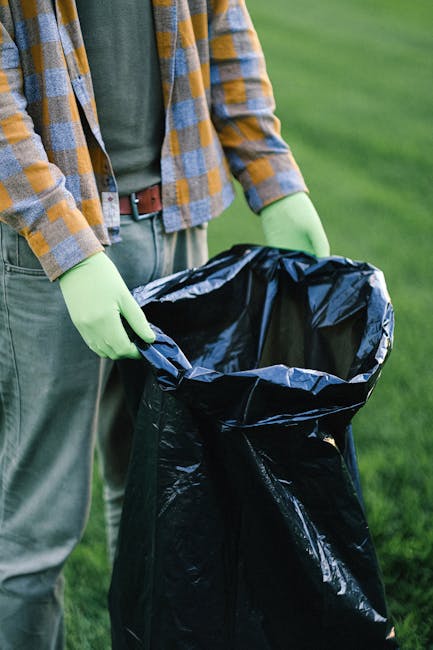
Strand on the Green garden rubbish clearance tips: a practical guide for tidying outdoor spaces the smart way
If your garden in Strand on the Green is starting to look more like a storage yard than a place to relax, you are not alone. Spring cutbacks, a windy weekend, one overgrown hedge, and suddenly there is a pile of branches, soil bags, broken planters, and old furniture sitting where the lawn used to be. This guide to Strand on the Green garden rubbish clearance tips is here to make that job feel manageable. You will find straightforward advice on sorting waste, avoiding common mistakes, choosing the right clearance method, and keeping things safe, tidy, and compliant. Nothing flashy. Just useful, real-world help.
There is a lot to think about with garden waste in a residential area like this. Narrow access, neighbours close by, limited storage, damp weather, and the usual London "I'll deal with it later" problem all play a part. Let's make it simpler.
Why Strand on the Green garden rubbish clearance tips matters
Garden rubbish is rarely just "rubbish". It is a mix of organic waste, bulky items, contaminated materials, and awkward odds and ends that do not all belong in the same pile. In Strand on the Green, where homes often balance outdoor space with limited side access, good garden clearance habits save time, reduce mess, and stop small jobs turning into weekend chaos.
It also matters for neighbourly reasons. A pile of cuttings left out in the rain can smell sour by the next day. A stack of thorny branches can become a nuisance on a shared path. And if you are dragging green waste through a narrow gate or down a front step, you quickly realise that a poorly planned clearance is harder than the actual gardening. Truth be told, that is where most people lose the plot a bit.
There is also the simple issue of presentation. Strand on the Green is one of those places where outdoor tidiness makes a visible difference. A neat garden feels calmer, more usable, and easier to maintain. Whether you are clearing after a prune, a landscaping project, a house move, or just a long period of neglect, the right approach saves effort later on.
How Strand on the Green garden rubbish clearance tips works
At its simplest, garden rubbish clearance means collecting, separating, loading, and removing outdoor waste in a way that is safe and sensible. But a proper job starts before the first bag is lifted. The best approach is to divide everything into clear waste types, decide what can be reused or composted, and plan how it will leave the property without damaging paths, lawns, or walls.
Most garden clearance jobs fall into a few broad categories:
- Green waste such as grass cuttings, leaves, hedge trimmings, small branches, weeds, and plants.
- Bulky garden items such as broken sheds, plant pots, garden furniture, fencing, and old ornaments.
- Heavy inert materials like soil, turf, rubble, stones, and old patio debris.
- Mixed household and outdoor waste where gardens have become a catch-all storage spot for things that no longer fit indoors.
Different items need different handling. Green waste is often suitable for composting or specialist recycling. Treated timber, old paint tins, and composite materials may need separate treatment. Soil and rubble are particularly heavy, so weight matters more than volume. A bag can look manageable and still be back-breaking. We have all seen that moment when one bag suddenly becomes two, then four.
For larger jobs, many people choose a professional collection instead of doing repeated car runs or making several trips to a civic amenity site. That can be especially useful if the garden is awkward to access, if the waste is mixed, or if the work needs to be done the same day. If you want a broader overview of the kinds of removal services available locally, the services overview is a helpful starting point.
Key benefits and practical advantages
Garden rubbish clearance is one of those jobs where the benefits show up immediately. You feel the space open up, the air seems fresher, and suddenly the garden looks usable again. Beyond the obvious visual improvement, there are a few very practical gains.
- Better safety - Clearing broken glass, rusty metal, nails, and sharp branches reduces the risk of cuts and trips.
- Less pest attraction - Piles of waste, especially damp organic material, can attract rodents and insects.
- Faster maintenance - A cleared garden is much easier to mow, weed, prune, and keep under control.
- Improved access - Pathways, side returns, and storage areas become usable again.
- Better disposal choices - Sorting waste properly increases the chance that recyclable or compostable material is handled well.
There is also a financial angle, even if it is a small one. If you clear and sort properly, you may reduce the number of collections needed. You may also avoid paying extra because waste is mixed unnecessarily or because the load was poorly prepared. That said, a rushed DIY approach can be more expensive in the long run if it causes damage, injury, or multiple wasted trips. A bit annoying, but true.
If sustainability matters to you, it is worth reading about local recycling habits and sensible disposal choices. The page on recycling and sustainability gives useful context for anyone trying to keep garden waste handling more responsible.
Who this is for and when it makes sense
This kind of clearance advice is useful for a wide range of people in Strand on the Green. Some are homeowners who have let a corner of the garden fill up over winter. Others are tenants preparing to hand back a property. Some are landlords or letting agents dealing with outdoor clutter after a tenancy. And yes, sometimes it is a family sorting through an inherited home where the garden has quietly become the overflow zone for years.
It makes sense to act when:
- the garden has been trimmed but the waste is still sitting in piles;
- you have bulky items that will not fit in normal bins;
- you need the space cleared before an event, sale, or inspection;
- you are doing landscaping and need old material removed quickly;
- you want to avoid repeated loading into a small car or van;
- there is mixed waste and you do not want to guess what goes where.
It is especially relevant if you are also managing indoor decluttering at the same time. Many people clear the garden and then realise the shed, garage, or side return is next. In that case, planning the whole job together can save a lot of repeated effort. You may find the advice in creating order at home useful if the outdoor clear-out is part of a bigger reset.
Step-by-step guidance
Here is a simple, realistic way to tackle a garden rubbish clearance without turning it into an all-day headache.
1. Walk the space first
Start with a slow walk around the garden. Look for green waste, bulky rubbish, soil, rubble, and anything hazardous. Do not begin bagging immediately. A five-minute overview saves a surprising amount of backtracking later.
2. Sort into separate piles
Put items into clear groups. For example: green waste, reusable items, wood, metal, rubble, and general waste. If everything gets mixed together, disposal becomes slower and more expensive.
3. Remove anything reusable
Check whether pots, tools, planters, trellis, furniture, or timber can be reused or donated. A cracked planter may still be useful in a workshop. A wobbly chair, maybe not. Be honest with yourself here.
4. Bag green waste sensibly
Do not overload bags with wet cuttings or soil. Lightweight, easy-to-lift bags are better than heroic but regrettable ones. Wet grass and leaves can become heavy fast, especially after rain.
5. Separate the heavy stuff
Soil, rubble, bricks, and stones should be handled separately from green waste. They weigh far more than they look. If you mix them, every bag becomes awkward and the whole job slows down.
6. Clear access routes
Before loading starts, make sure gates open fully, paths are clear, and there is room to move safely. If access is narrow, stage the waste in smaller piles closer to the collection point.
7. Load in the right order
Heavier items should sit at the bottom of the load, with lighter material on top. This protects bags and helps prevent spillage. If a collection team is coming, a tidy layout near the access point makes the work quicker and cleaner.
8. Finish with a final sweep
Use a rake, broom, or leaf grabber to clear the remaining debris. Tiny bits of wire, twigs, and broken plastic are easy to miss. It is always better to spend ten extra minutes now than to step on something sharp tomorrow morning.
Expert tips for better results
A good clearance is not just about removal. It is about doing the job in a way that makes the next month easier. A few practical habits help a lot.
- Work from the back of the garden forward. This stops you from walking over already-cleared areas and spreading mess again.
- Use smaller loads for awkward waste. In real life, small loads move faster than one giant bag that barely lifts.
- Keep a separate "maybe" pile. If you are unsure about a tool, pot, or piece of timber, set it aside and revisit it later.
- Check moisture before lifting. A bag of damp hedge trimmings can be much heavier than expected after an overnight shower.
- Protect paving and thresholds. Old boards, sheets, or tarps can help stop scrapes and mud streaks.
- Think about seasonality. Late autumn leaf drop and early spring pruning often create more waste than people budget for.
One small practical habit that helps: keep a spare sack or two in the shed before you start. Nothing glamorous, but it stops the "where did I put the bags?" scramble when your hands are muddy and the wind is doing its thing.
If the project is bigger than expected, or if you simply do not want to spend the afternoon wrestling with thorny cuttings, a dedicated collection can be the calmest choice. For more on structured outdoor waste handling, see the garden waste removal service.
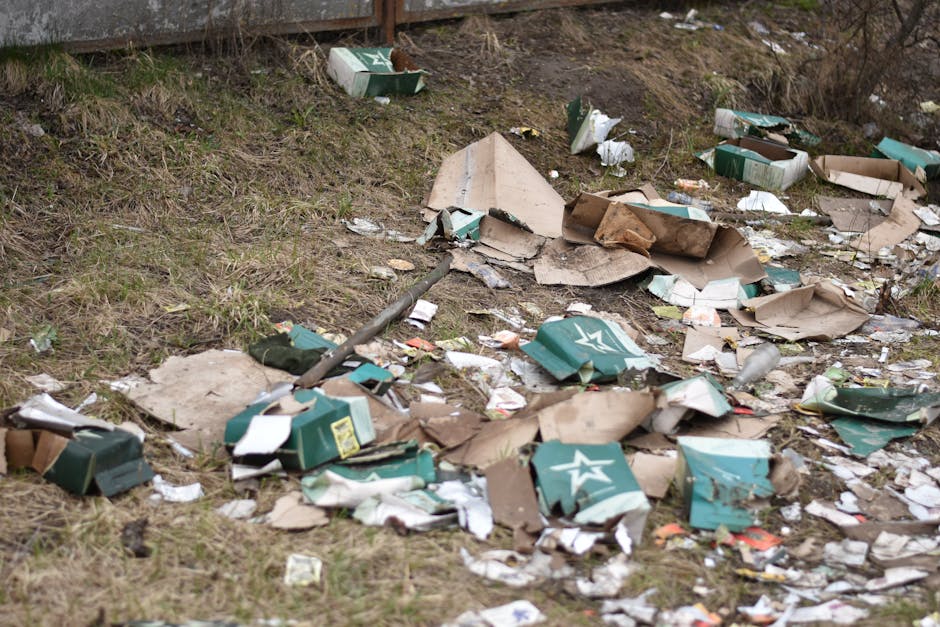
Common mistakes to avoid
Most garden clearance problems come from a few repeat mistakes. They are easy to make, especially when you just want the space back quickly.
- Mixing every waste type together. Green waste, rubble, and general rubbish should not be treated as one pile.
- Overfilling bags. It sounds efficient until the bag tears or nobody can lift it.
- Ignoring hidden hazards. Broken glass, bent nails, wire, and old pesticides can be tucked away in forgotten corners.
- Leaving waste out too long. Damp material becomes messy, heavy, and less pleasant to handle.
- Forgetting access constraints. A clearance plan that works in a spacious driveway may fail in a narrow Strand on the Green side passage.
- Assuming all "garden waste" is compostable. Not all outdoor clutter is organic. Some of it definitely is not.
Another mistake is treating a clearance as separate from the rest of the property. If you are also clearing a shed, a loft, or indoor storage, it may be better to coordinate the job. That is where a wider domestic clearance approach can make life easier, especially when items from inside and outside overlap. For those situations, the domestic waste collection service may be worth considering.
Tools, resources and recommendations
You do not need a shed full of specialist kit to clear garden rubbish properly. But the right basics make the work safer and less tiring.
- Heavy-duty garden sacks for cuttings, weeds, and lightweight debris.
- Work gloves with enough grip for thorny stems and rough timber.
- Rake and leaf grabber for quick collection of loose organic material.
- Wheelbarrow or garden trolley for moving heavier loads short distances.
- Tarpaulin or old sheet to gather waste in one place without dirtying paving.
- Secateurs and loppers to reduce bulky branches to a more manageable size.
- Dustpan and stiff broom for patios, paths, and hard-standing areas.
For mixed or bulky loads, professional collection often saves time. If you are comparing your options, the pricing and quotes page can help you think through what affects the cost, while the insurance and safety page is useful if you want extra reassurance about how work is handled.
And if you are just trying to make better decisions overall, not only for one garden job but for future clear-outs too, the article on home organisation and decluttering strategies is a solid companion read. It is not just about "stuff"; it is about having a system that holds up after the tidy-up.
Law, compliance, standards and best practice
Garden waste is not something to guess your way through. In the UK, waste handling is expected to follow sensible legal and environmental standards, and the practical rule is simple: use a responsible, traceable route for anything you remove. If you hire someone to take the waste away, it is wise to check that they are properly licensed and that they handle disposal in line with accepted practice.
That matters because once waste leaves your property, you still want confidence that it is being dealt with properly. Fly-tipping is a real issue, and if waste is handed to the wrong operator, it can come back to cause trouble. In plain English: if a clearance offer looks suspiciously cheap and vague, ask more questions. A lot more.
Best practice usually includes:
- separating waste types where practical;
- keeping hazardous or sharp items apart from general garden debris;
- using insured operators for heavier or awkward lifting;
- checking that the waste carrier is compliant and transparent about disposal;
- keeping paperwork or confirmation where appropriate, especially for larger jobs.
If you want to understand how responsible operators approach this, the page on waste carrier licence and compliance explains the standards in a practical way. That kind of reassurance matters, especially if your garden job is part of a bigger move, renovation, or property clear-out.
For readers managing larger estates, multiple properties, or business premises with outdoor areas, the same general principles apply. A good operator should be clear about collection, safety, and how waste is handled. No drama, no mystery, just proper process.
Options and comparison table
There is no single best way to clear garden rubbish. The right choice depends on the volume, weight, access, and how quickly you need the space back. Here is a simple comparison.
| Method | Best for | Pros | Watch-outs |
|---|---|---|---|
| DIY binning and small trips | Light cuttings, a few bags, small tidy-ups | Low cost, flexible, easy for simple jobs | Time-consuming, multiple trips, awkward with heavy waste |
| DIY with car or van runs | Mixed waste where you have transport and time | More control over sorting, useful for steady clear-outs | Loading is hard work, weight limits matter, can be messy |
| Professional garden clearance | Bulky, heavy, or urgent jobs | Fast, efficient, less lifting, cleaner finish | Higher upfront cost than DIY |
| Combined property clearance | Garden clutter plus indoor waste or shed contents | Convenient, coordinated, good for larger projects | Needs more planning and a clear scope |
If you are dealing with a large pile after building work, landscaping, or demolition of an old structure, you may want to think beyond green waste alone. In that case, a specialist builders waste removal approach can be more suitable because rubble and mixed materials need different handling.

Case study or real-world example
Here is a very ordinary, very realistic example. A Strand on the Green homeowner had spent three weekends cutting back overgrown shrubs, lifting old pots, and dismantling a tired timber bench. The waste sat in three separate corners of the garden because the person doing the work kept running out of room. The first attempt looked neat enough. By day two, it was a bit of a mess. The soil bags were too heavy, the branches were prickly, and one patch of paving was turning slippery after a wet evening.
The fix was simple. The waste was sorted properly into green waste, timber, and heavy material. A tarp was laid near the gate. The heavy items were handled first while energy was still good. Lighter cuttings were bagged last. What had felt like a never-ending job became one controlled session, and the garden looked usable again by late afternoon. Small detail, but it made a big difference: the path was clear, the bins were not overflowing, and nobody had to keep stepping over half-finished piles.
That is usually how these jobs go. The problem is rarely the total amount of waste. It is the lack of structure. Once you have a system, the work gets easier very quickly.
Practical checklist
Use this checklist before you start. It keeps the job tight and reduces last-minute surprises.
- Walk the garden and identify all waste types.
- Separate green waste from bulky or heavy materials.
- Remove anything reusable, repairable, or worth keeping.
- Check for sharp, rusty, or hazardous items.
- Make sure access paths and gates are clear.
- Lay down protection if you are working over paving or indoors through a side passage.
- Use strong sacks and avoid overfilling them.
- Keep heavy loads small and manageable.
- Decide whether the waste can be composted, recycled, or needs professional removal.
- Confirm your disposal plan before you begin loading.
Expert summary: The best Strand on the Green garden rubbish clearance tips are usually the simplest ones: sort first, lift safely, keep heavy waste separate, and do not let a small garden tidy-up turn into a chaotic pile of mixed rubbish.
For homeowners who want a wider cleanup beyond the garden, the house clearance service can be a practical next step when indoor clutter and outdoor waste are part of the same job. And if the whole process feels a bit much, that is understandable. These things often look easy until you are actually standing there with a bag of wet leaves and a hedge trimmer in the other hand.
Conclusion
Strand on the Green garden rubbish clearance tips are really about making outdoor work feel manageable. A good system saves time, reduces mess, keeps you safer, and helps you avoid the usual traps: mixed waste, overloaded bags, and too many trips back and forth. Whether you are tidying after a prune, clearing a shed spillover, or dealing with a full garden reset, the same principles apply - sort carefully, lift smartly, and choose the right method for the amount of waste you have.
And if you are balancing busy weekdays, limited space, and a garden that needs proper attention, you do not need to do it the hard way. A sensible plan goes a long way. Sometimes that is the whole difference between a job you dread and one you can actually finish before the light fades.
Get a free quote today and see how much you can save.
Little by little, the garden comes back to life. That is usually the nicest part.